All Categories
Featured
Optimizing IUL Policy Potential for Retirement
Table of Contents
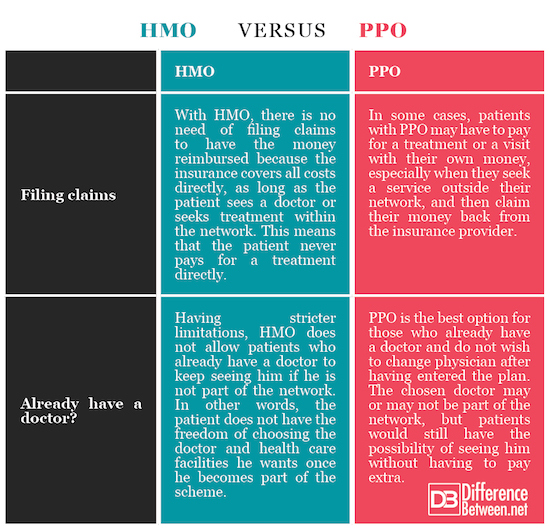
Premiums are normally lower for HMO strategies, and there is typically no deductible or a low one. Some HMO plans, consisting of those used by Medical Mutual, do not require you to select a PCP or have a referral to see a professional. For more HMO specifics, read our About HMO Strategies post.
They also feature a network of service providers, however there are less restrictions on seeing non-network companies. In addition, your PPO insurance coverage will pay if you see a non-network company, although it may be at a lower rate. Here are some crucial functions: You can see the doctor or professional you 'd like without having to see a PCP.
However, your benefits will be much better if you remain in the PPO network. Premiums tend to be greater, and it's typical for there to be a deductible. Check out a more detailed meaning of PPO in our PPO Plans short article. As discussed above, Differences between HMO (Health Upkeep Organization) and PPO (Preferred Provider Company) strategies include network size, capability to see professionals, costs, and out-of-network protection.
Low-Cost Plan Choices for Veterans
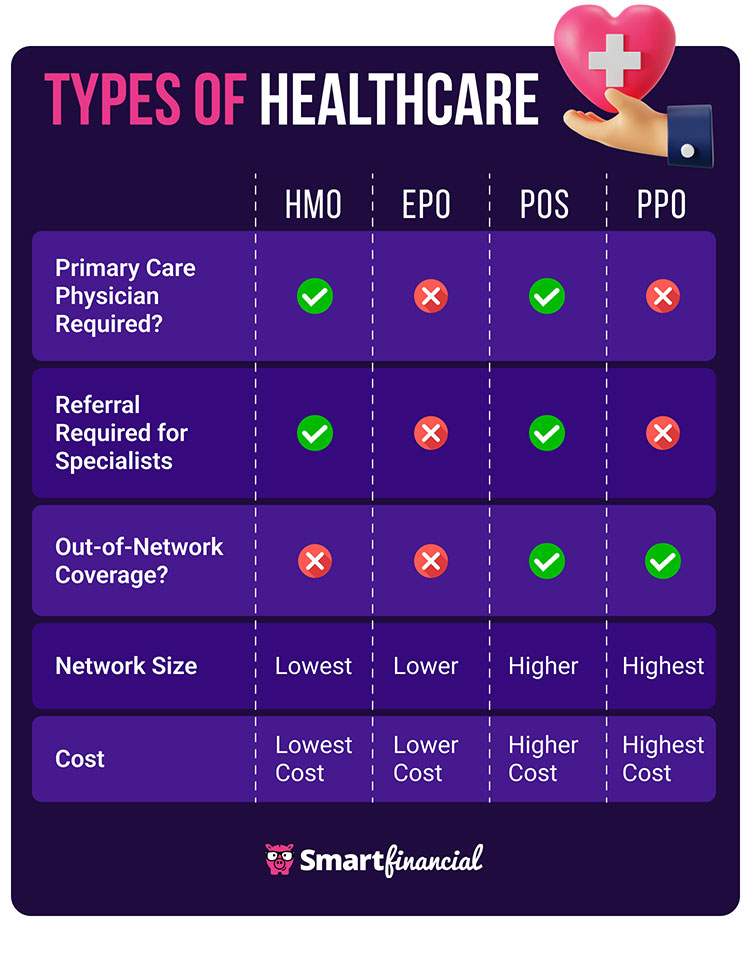
PPOs usually provide higher flexibility in seeing professionals, have bigger networks than HMOs, and provide some out-of-network protection. Here are the contrast points in more detail. A defining feature of HMO and PPO strategies is that they both have networks. Networks are one way to lower health care expenses network service providers concur to provide discount rates in exchange for access to a health insurance's members.
In basic, PPO networks tend to be broader, consisting of more medical professionals and hospitals than HMO plans, offering you more option. Networks will vary from insurance provider to insurance provider, and strategy to strategy, so it's best to research each plan's network before you choose. Many HMOs will need you to pick a primary care doctor, who will be the main point of contact for your treatment.
Expenses for specialists will not be covered without a PCP referral. In contrast, PPOs tend not to require selection of a PCP, and you can usually see an expert without a recommendation, and still have these costs covered. For both PPO and HMO plans, your expenses for care will be least expensive if you get it from in-network suppliers.
For HMOs, out-of-network services are typically not covered at all, except for emergencies. PPOs vary from HMOs in that PPO plans will normally supply some coverage for these types of services, however coverage for in-network suppliers will be far better. The additional protection and versatility you receive from a PPO suggests that PPO plans will typically cost more than HMO strategies.
Asset Security Using Modern Life Insurance
Another expense to think about is a deductible. This is the quantity of healthcare expenses you need to pay before your strategy starts to cover your expenses. Not all HMOs have deductibles, but when they do, they tend to be lower than PPO deductibles. You can learn more about health insurance coverage costs in our Comprehending Health Insurance Expenses short article.
49% of covered workers had PPO plans in the survey, while HMOs covered 16%. When it pertains to your own health strategy choice, it may sound like a cliche, but when choosing between an HMO or PPO plan, it is not always about which is much better, but which is finest for you.
If your financial situation dictates that expense is most important, you may seriously think about going with an HMO strategy. Generally speaking, expenses for HMO plans will be less.
Insurance in Santee CA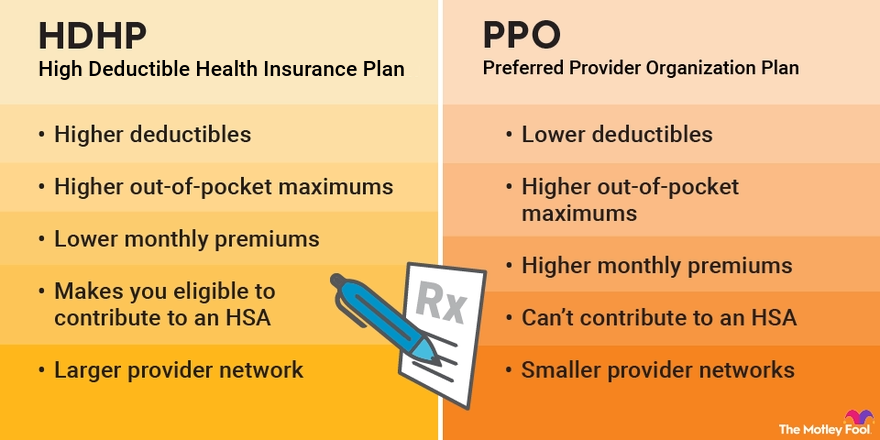
Unlike the majority of HMO health insurance, you won't likely require to pick a main care doctor, and you will not usually require a recommendation from that physician to see a professional. A PPO network will likely be larger, providing you a greater choice of in-network physicians, experts, and facilities to pick from.
Low-Cost Life Insurance for Veterans
With HMOs, out-of-network coverage will generally be limited to emergencies; non-emergency services are not normally covered at all. To assist you weigh the pros and cons laid out above, here's a quick summary of them: With any plan, examine the company network to see if your preferred service providers remain in the strategy's network, because remaining in-network will save you money.
You might find that the specific HMO strategy you're considering includes your favored service providers, or at least enough of them to fulfill your requirements.

Latest Posts
Why Term Life Insurance Offers Financial Security
Maximizing Indexed Universal Life Policy Potential in Retirement

Key Strategies on 2026 Medicare Part D Enrollment